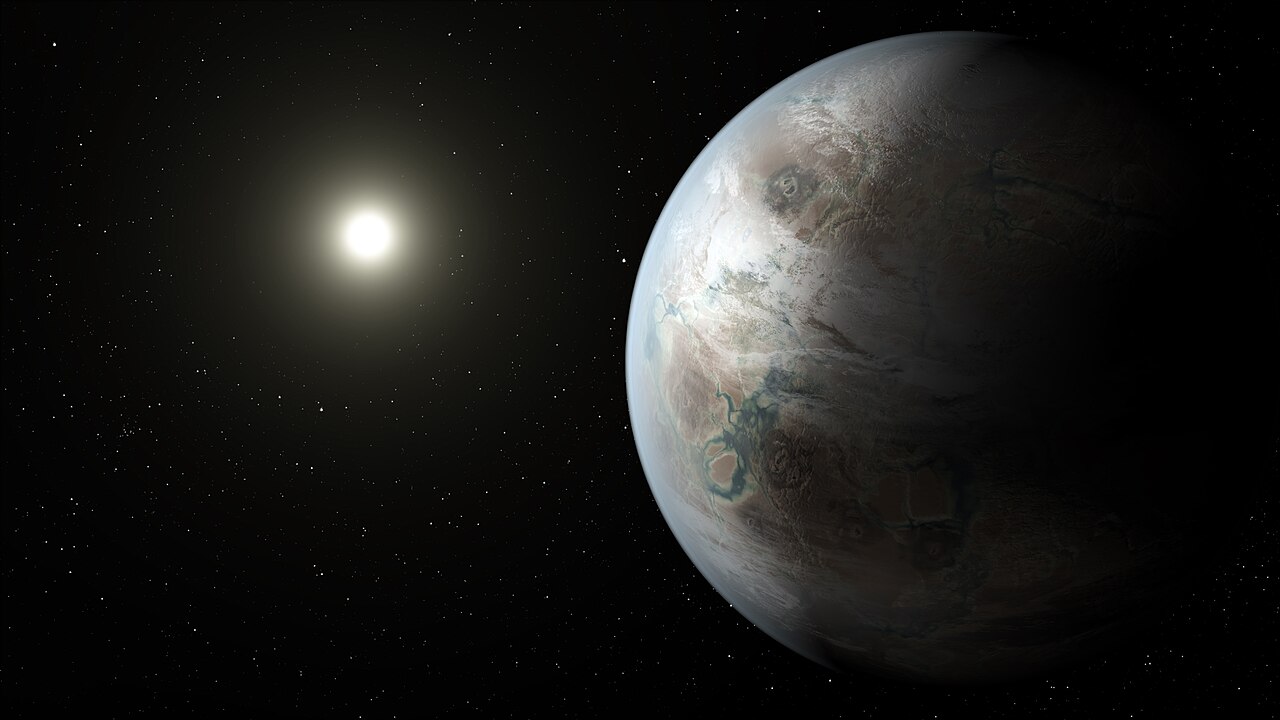
Rechecking 187 Kepler planets in or near the habitable zone

Rechecking 187 Kepler planets in or near the habitable zone

Well, this one is not a discovery of a new world, but I find it exciting anyway. A team led by Md Abdullah Al Zaman, with Ian Crossfield and colleagues, has re-analysed 187 confirmed and candidate planets from the Kepler mission that orbit in or near the habitable zone of Sun-like stars. The paper on arXiv was posted on 21 November 2026 and, according to the listing, has been accepted by The Astronomical Journal. ...
2026-11-25 · 3 min · Kasra Madadipouya
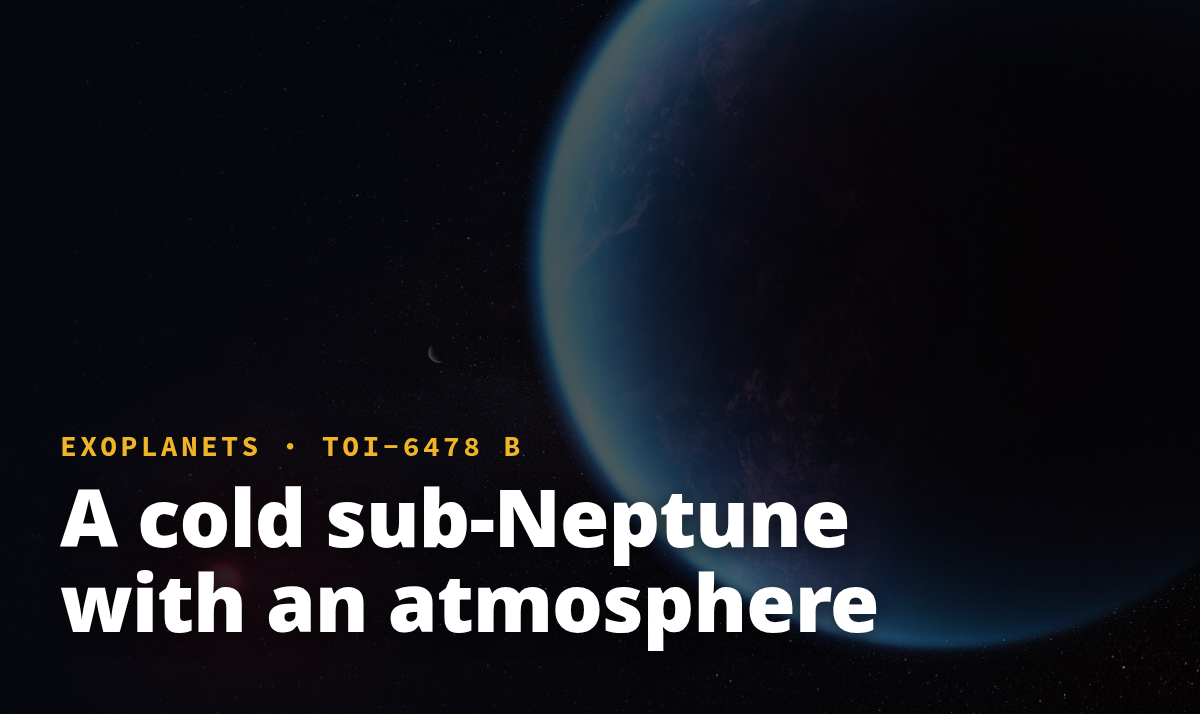
A cold sub-Neptune, TOI-6478 b, shows a hint of atmosphere

A cold sub-Neptune, TOI-6478 b, shows a hint of atmosphere

Well, here is a small but interesting piece of news. A new preprint, listed on Astrobiology.com as part of the SPACE Program series, reports atmospheric features on TOI-6478 b, a cold sub-Neptune. The paper is on arXiv as 2611.25230, led by Anastasia Triantafillides, and has been submitted to the Astronomical Journal. Why this planet is special Very few sub-Neptunes have a known atmospheric composition. The reason is that their atmospheres are often rich in heavy elements (high metallicity), or are covered by clouds and hazes. All of these flatten the spectrum and hide the molecules we are looking for. ...

2026-11-24 · 2 min · Kasra Madadipouya
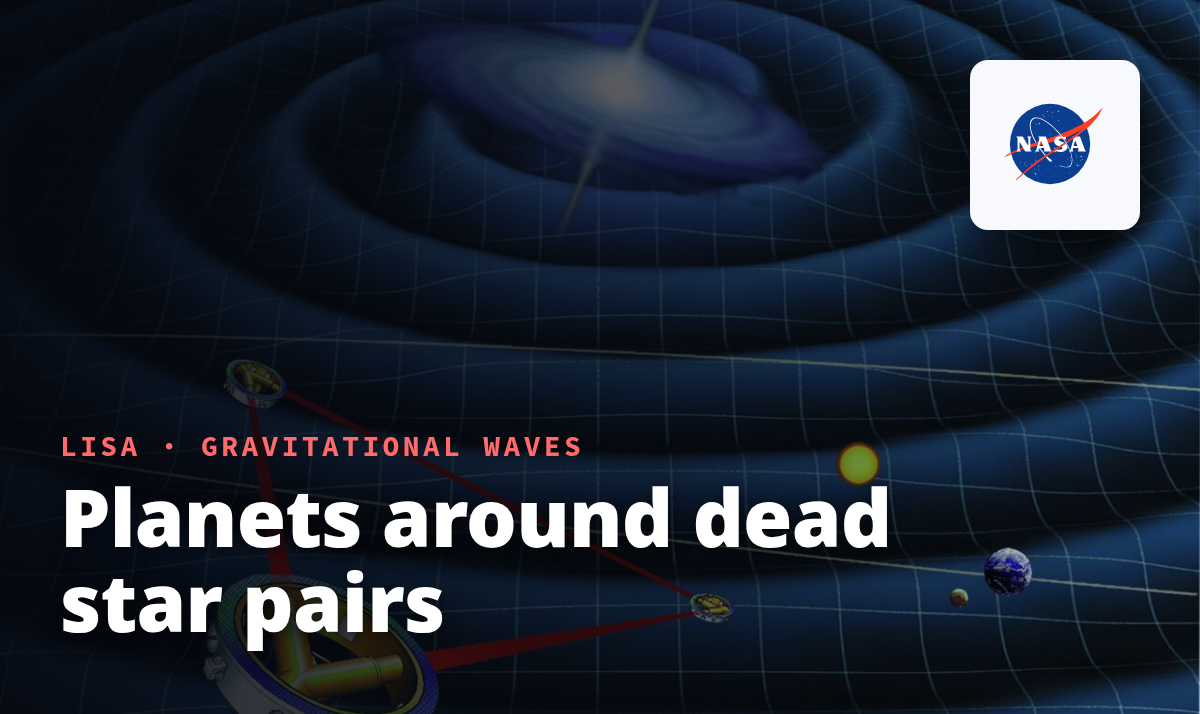
How LISA could find planets around white dwarf binaries

How LISA could find planets around white dwarf binaries

Most exoplanets we know were found with two methods: transits, where a planet dims its star, and radial velocity, where a planet makes its star wobble. Both need a lot of light from the star. Here is a third idea that I find fun, and it does not use light at all. According to NASA, two new studies led by NASA astrophysicists show in detail how the LISA gravitational-wave observatory could reveal a new population of exoplanets across the galaxy. ...

2026-11-24 · 3 min · Kasra Madadipouya

Possibilities of life out of the Earth

Possibilities of life out of the Earth So NASA has confirmed hundreds of exoplanets, source. And seems more yet to come. But these planets are not so close to us. The closest ones are 50 light-years away. And available data about them are rather limited given the far distance. This could be very disappointing. Even with the fast speed of technology advancement. But wait, there are more viable options. Mars Yes, to me there’s some chance of life on Mars, even very slim. Historical data shows at some point Mars similar to Earth had an atmosphere and even some rivers were running, most probably water, which traces are visible. So even though Mars has lost most of its atmosphere, still there is some chance of life there. I mean humans can introduce. That seems more achievable and realistic. ...

2019-11-09 · 1 min · Kasra Madadipouya